ENG
InAlto in space : divine order and cosmic light
What is the cosmos trying to tell us, and how is humanity responding? Lambert Colson and his ensemble InAlto will take you to the highest spheres, with music that reflects the organisation of the universe.
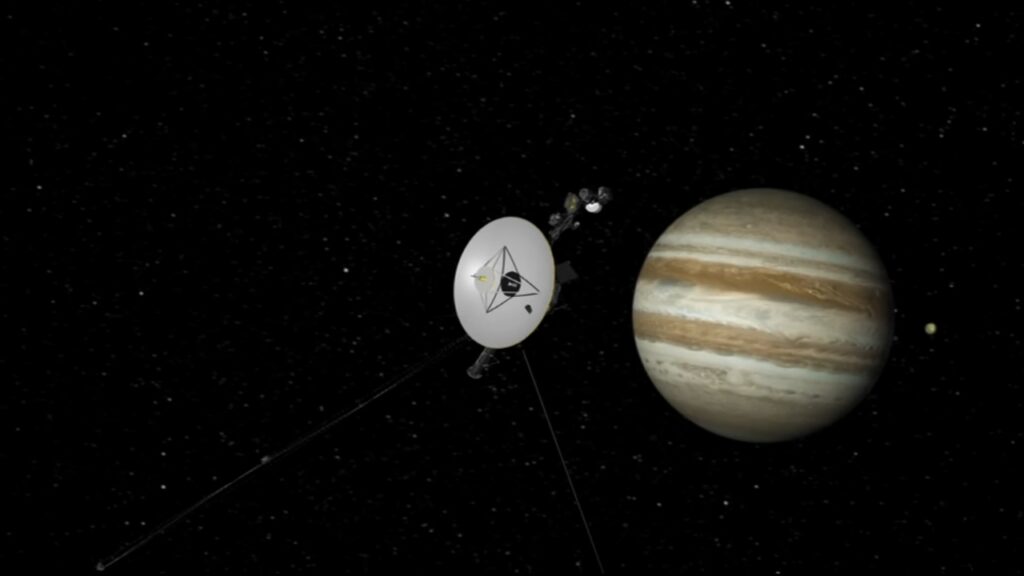
In this programme, InAlto performs two arrangements from Laurie Spiegel’s The Expanding Universe (1945). The famous ‘golden discs’ sent into space by NASA aboard Voyager I in 1977 contained recordings of terrestrial sounds as well as music, including extracts from this album.
Centuries earlier, Renaissance physicists and composers had already made the link between the cosmos and music. The 17th century was a century of major upheaval, during which science was still trying to justify faith. The universe then consisted of three dimensions. The first was ‘the microcosm’, which comprised the world inhabited by Man, the second ‘the macrocosm’, which included everything that was not human: the planets, the stars and the angels… and the third dimension, which surrounded the previous two but remained invisible and incalculable, that of the divine presence. Scientists and philosophers were convinced that by studying the microcosm and the macrocosm, created by God and in His image, they could reveal the invisible to the eyes of all.
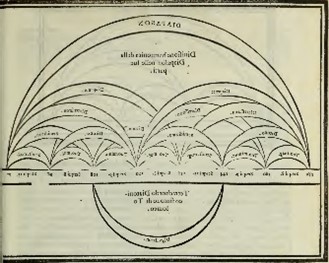
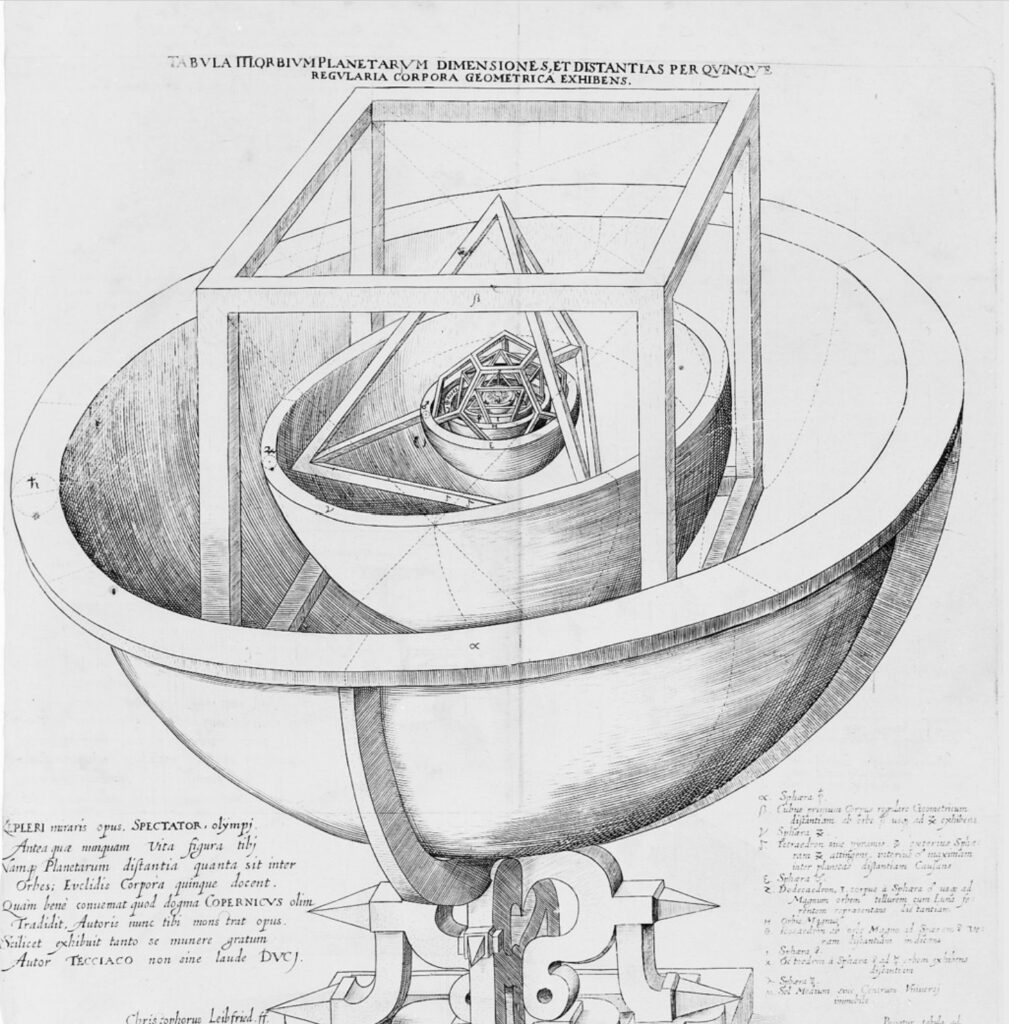
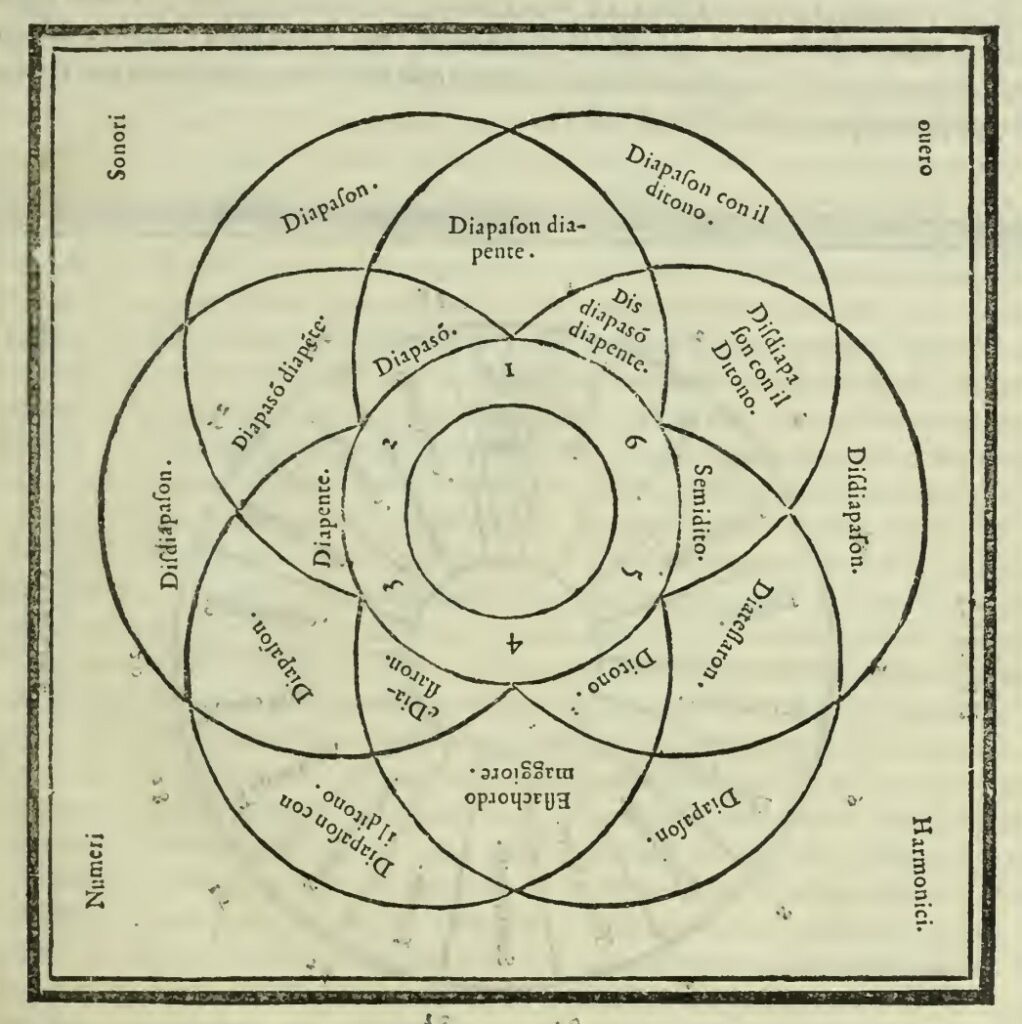
In 1619, Kepler demonstrated in his Harmonice Mundi what had not previously been proven: The movements of celestial bodies and their attractions correspond to harmonic proportions and create a ‘cosmic harmony’. The proportions of the numbers representing the distances between sounds and between celestial bodies are essentially the same. The divine order is reflected in the rules of harmony and counterpoint.
Music of the spheres and compositions as resounding representations of the divine order of the cosmos: InAlto combines the dazzling counterpoint of Constanzo Festa (1485-1545) and Thomas Preston (ca.1550) with the divine light (lux beata) that radiates from the polyphony of Christopher Tye (1505-1573) and the organ music of Matthias Weckmann. His O lux beata cycle is based on the theories of the astronomer Johannes Kepler – music that reflects, or at least aspires to, the perfection of divine creation.
Program
- Costanzo Festa – Contrapunctus 63, 77, 105, 108, 111, 116
- Thomas Preston – Uppon La mi re
- Christopher Tye – O lux beata Trinitas; In nomine “Trust”
- Matthias Weckmann – O lux beata Trinitas (organ solo)
- Laurie Spiegel – The Unquestioned Answer & Music for Dance I
Lambert Colson : Cornets
Susanna Defendi, Charlotte Van Passen, Guy Hanssen and Bart Vroomen : Trombones
Marc Meisel : Organ
FR
InAlto dans l’espace : ordre divin et lumière cosmique
Que veut nous dire le cosmos et que lui répond l’humanité ? Lambert Colson et son ensemble InAlto vous emmènent dans les hautes sphères, avec une musique qui reflète l’organisation de l’univers.
Dans ce programme, InAlto interprète deux arrangements tirés de The Expanding Universe de Laurie Spiegel (1945). Les célèbres « disques d’or » envoyés par la NASA dans l’espace à bord de Voyager I en 1977 contenaient des enregistrements de sons terrestres ainsi que de la musique, dont des extraits de cet album.
Déjà plusieurs siècles auparavant, des physiciens et des compositeurs de le Renaissance ont fait le lien entre le cosmos et la musique. Le 17ème est un siècle de bouleversements majeurs, pendant lequel la science cherche encore à justifider la foi. L’univers est constitué alors de trois dimensions. La première est « le microcosme » qui comprend le monde habité par l’Homme, la seconde « le macrocosme » qui comprend tout ce qui n’est pas humain : Les planètes, les étoiles et les anges… et la troisième dimension qui entoure les deux précédentes mais reste invisible et incalculable, celle de la présence divine. Les savants et les philosophes sont alors persuadés qu’en étudiant le microcosme et le macrocosme, crées par Dieu et à son image, ils pourraient révéler l’invisible aux yeux de tous.
En 1619, Kepler démontre dans son Harmonice Mundi ce qui ne pouvait être prouvé auparavant : Les mouvements des corps célestes, leurs phénomènes d’attractions correspondent à des proportions harmoniques and créent une « harmonie cosmique ». Les proportions des nombres représentant les distances entre les sons et entre les corps célestes sont essentiellement les mêmes. L’ordre divin se reflète dans les règles d’harmonie et de contrepoint.
Musique des sphères et compositions comme représentation retentissante de l’ordre divin du cosmos : InAlto associe l’éblouissant contrepoint de Constanzo Festa (1485-1545) et Thomas Preston (ca.1550) à la lumière divine (lux beata) qui rayonne de la polyphonie de Christopher Tye (1505-1573) et de la musique d’orgue de Matthias Weckmann. Son cycle O lux beata est basé sur les théories de l’astronome Johannes Kepler – une musique qui reflète, ou du moins aspire à la perfection de la création divine.
Programme
- Costanzo Festa – Contrapunctus 63, 77, 105, 108, 111, 116
- Thomas Preston – Uppon La mi re
- Christopher Tye – O lux beata Trinitas; In nomine “Trust”
- Matthias Weckmann – O lux beata Trinitas (organ solo)
- Laurie Spiegel – The Unquestioned Answer & Music for Dance I
Lambert Colson : Cornets
Susanna Defendi, Charlotte Van Passen, Guy Hanssen et Bart Vroomen : Trombones
Marc Meisel : Orgue
shows
No upcoming events